
Your Local Gas Safe Engineer · Available Right Now · No Call Out Fee Quoted Upfront
📞 EMERGENCY LINE: 0800 999 1075 — Pick Up Guaranteed 24 Hours
When You Need a Plumber Right Now, We Are Already on Our Way
Something has gone wrong and you need it fixed today, not next week. Whether it is a burst pipe flooding your kitchen at two in the morning, a boiler that has packed up during the coldest week of the year, or a toilet that will not flush and you have three kids in the house, you need someone who actually picks up the phone and turns up on time.
That is what we do. Your local gas engineer from 247 Plumber London is based in your part of the city. When you call, we tell you exactly when to expect us and give you a clear price before we start any work. No nasty surprises when the invoice arrives.
The Plumbing Emergencies We Deal With Every Single Day
Burst Pipes
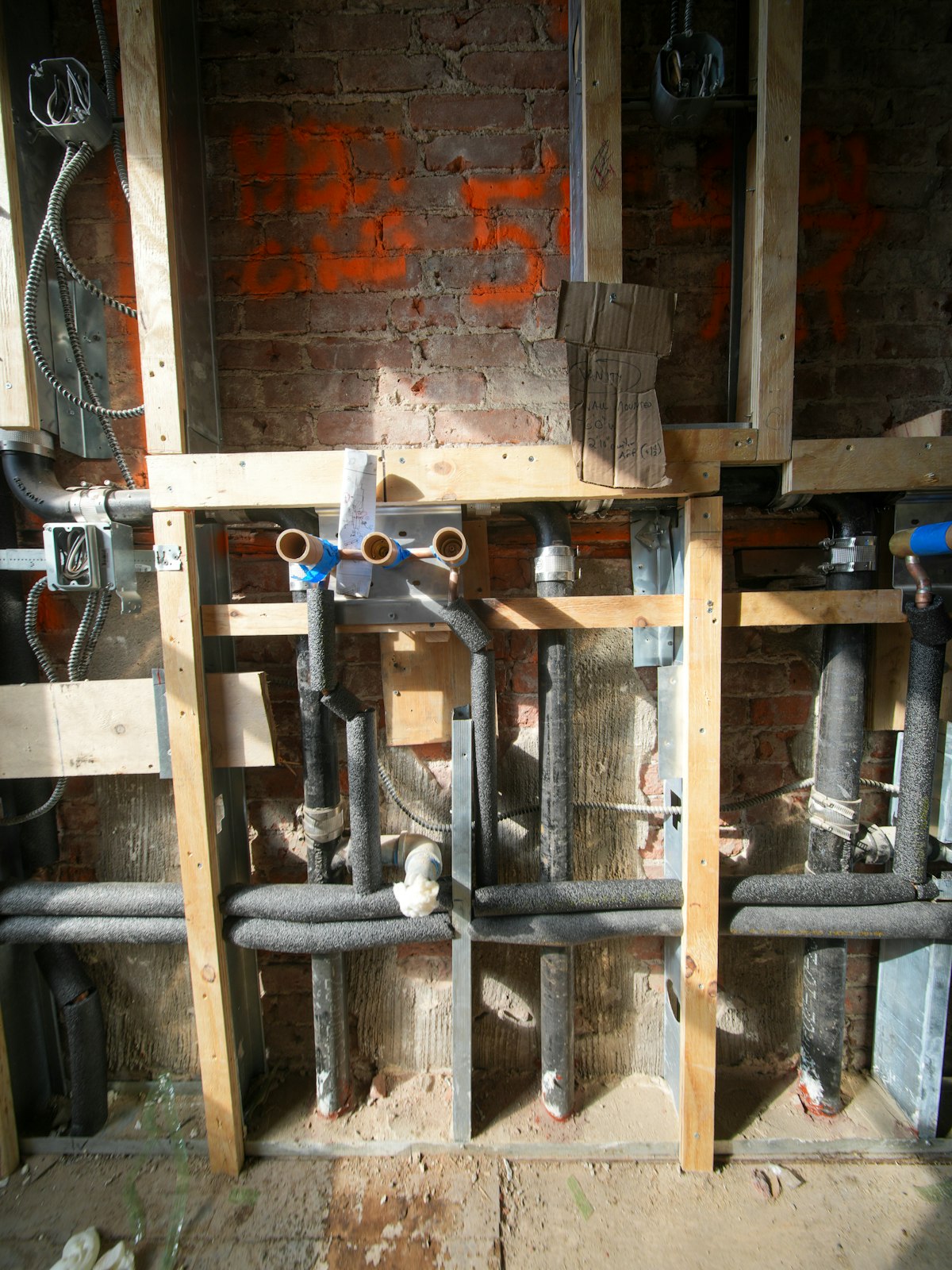
A burst pipe is one of the worst things that can happen to a homeowner. Water in the wrong place causes structural damage fast, and in a London flat it can mean a serious dispute with the floor below and a complicated leasehold insurance claim. The moment you see water coming where it should not be, find your stopcock and turn it off. It is usually under the kitchen sink, in the cupboard under the stairs, or in the airing cupboard. Turn it clockwise until it stops moving.
Most burst pipes we see in London fall into a few common categories. Frozen pipes are the biggest cause in winter. When temperatures drop below zero, water in uninsulated pipes in loft spaces, external walls and under suspended timber floors freezes and expands. The pipe does not always burst immediately. It often holds until the thaw, then goes. If you suspect a frozen pipe, open the cold taps on affected outlets first and let the pressure release before it warms up.
London’s older housing stock is another major factor. Victorian terraces and Edwardian conversions throughout Islington, Hackney, Southwark and Lambeth were built with lead or early iron pipework that corrodes from the inside over decades. You might not see any external signs until a section gives way completely. We carry replacement pipe sections and fittings in the van for exactly this reason. Most burst pipe repairs are done on the first visit.
Water hammer is another cause people often overlook. That banging noise you hear when you turn a tap off sharply is your pipes vibrating under pressure. Over years, it loosens joints and weakens connections. If you have been hearing banging pipes for a while and ignored it, get it looked at before it becomes an emergency.
No Hot Water and No Heating
This is our most common emergency call between October and March. A combi boiler that loses pressure overnight, an ignition fault, a failed diverter valve, a frozen condensate pipe on a cold morning, a faulty thermostat, or a printed circuit board that has given up after years of service. There are a dozen reasons a boiler stops working and most of them can be diagnosed and fixed on one visit.
Before you call, have a look at the boiler. Check the pressure gauge on the front. It should sit between one and one and a half bar when the system is cold. If it is below that, the system has lost pressure and needs repressurising. Check the display for any fault codes and write them down before you ring us. Look for a small orange or blue flame at the pilot window. Tell us what you see and we will bring the right parts.
In the winter months, one of the most common causes of a boiler shutting down completely is a frozen condensate pipe. Newer condensing boilers have a plastic waste pipe that runs outside the property to drain off condensate. When temperatures drop, this pipe can freeze solid and the boiler locks out as a safety measure. You will usually see an EA or similar fault code on the display. The fix is to thaw the pipe with warm water poured gently along its length. We can walk you through this on the phone if you would rather not wait for an engineer.
Our engineers know every major boiler brand in depth. Vaillant, Worcester Bosch, Ideal, Baxi, Glow Worm, Potterton, Vokera, Alpha, Ariston. We have parts for all of them on the van and we are not going to tell you the boiler needs replacing when it just needs a component. We will always tell you what the fault is, what it will cost to fix, and whether a repair makes financial sense versus a new boiler.
Blocked or Overflowing Toilet
A toilet that will not flush properly, or one that is backing up and threatening to overflow, is a hygiene emergency that needs sorting immediately. London’s drainage system handles an enormous volume of waste and the pipes inside older properties are often cast iron or clay, prone to partial blockages from years of grease, limescale and unsuitable items being flushed.
The most common culprits we find when we unblock a toilet in London are wet wipes, sanitary products and cotton wool. These are marketed as flushable but they absolutely are not. They do not break down like toilet paper and they collect on any rough spot in the pipe until they form a solid blockage. This is especially common in flats where the soil pipe makes sharp turns.
A siphon that is worn out will cause weak flushing even when the cistern fills fully. The water just does not have enough force to clear the bowl. This is a common problem in older properties with classic close coupled toilets installed ten or fifteen years ago. If your toilet has been flushing weakly for months and finally stopped working altogether, a siphon replacement or a full toilet replacement might be the answer.
If the toilet is overflowing right now, turn off the isolation valve. It is the small screw slot on the pipe coming out of the wall behind the toilet. A flat screwdriver turned ninety degrees will close it. Do not keep flushing. Every additional flush makes it worse. Call us and we will have someone with you fast.
Flooding and Water Ingress
A burst header tank in the loft, a washing machine hose that has worked itself loose, a slow leak from the bathroom above that has finally come through your ceiling. Flooding happens fast and spreads in minutes. The first thing to do with any flooding situation is deal with the electrics. If water is near sockets, light switches or the fuse board, do not touch them. Switch off at the consumer unit if you can reach it safely, then call us and call an electrician.
London’s housing density makes flooding particularly complicated. In a converted Victorian house where one building has been split into four or five flats, a leak in a top floor bathroom can affect every flat below it. In purpose built blocks from the sixties and seventies, a burst pipe in the communal system can affect an entire wing. We carry professional water extraction equipment and can provide detailed written reports and photographs for insurers, managing agents and landlords.
If the source of the flooding is not immediately obvious, that is where our leak detection equipment comes in. We use acoustic listening devices and thermal imaging cameras to trace water to its source without tearing up floors or cutting into walls unnecessarily. We will find it and we will fix it.
Radiator Problems
A radiator that is cold at the top but warm at the bottom has air trapped in it. Bleeding the radiator usually fixes this. There is a small square bleed valve at the top corner. You will need a radiator key, which costs about a pound from any hardware shop. Turn it anticlockwise slowly until you hear a hiss of air, then close it once water appears. Do this with the heating switched off.
A radiator that is cold all over when the rest of the system is working usually has a stuck thermostatic valve. The pin inside the valve body sometimes seizes in the closed position, especially if the radiator has been left off all summer. Try removing the valve head and pressing the pin down with your thumb. If it is stuck solid, we can replace the valve for you.
Multiple cold radiators throughout a property, combined with poor heat output from the whole system, often points to sludge buildup. Black iron oxide sludge accumulates in older systems over years and reduces circulation efficiency dramatically. A power flush, where we pump a high pressure flow of water and chemicals through the system, clears this out completely. Many homeowners see their heating bills drop noticeably after a power flush because the boiler is no longer working against a restriction.
Leaking Pipes Under Floors or Behind Walls
A gradual drop in water pressure that you notice over weeks, damp patches appearing on walls or ceilings for no obvious reason, or a water bill that has jumped unexpectedly. These are all signs of a hidden leak. In older London properties with buried copper pipework under screed floors or behind plaster walls, leaks can go undetected for months and cause serious structural damage before they are found.
We use acoustic leak detection equipment that listens through floors, walls and ceilings for the sound of water movement. We also use thermal imaging cameras that show temperature differences caused by wet areas behind surfaces. Between these two methods we can pinpoint a leak to within a few centimetres without touching the fabric of the building. Only when we know exactly where the pipe has failed do we open it up.
Gas Leak
If you smell gas in your property, do not use any electrical switches, do not use your phone inside the building, do not light anything, and leave immediately. Call the National Gas Emergency line on 0800 111 999 from outside or from a neighbour’s phone. They are free and available twenty four hours a day. They will attend and make the property safe.
Once the gas network has isolated the supply and the property has been ventilated, call us. We are Gas Safe registered and we can carry out the repair to the gas fitting or appliance, pressure test the system, and reinstate your supply. Do not attempt to turn the gas back on yourself until a Gas Safe engineer has signed off the installation as safe.
What to Do While You Wait for Your Local Engineer
The few minutes between calling us and the engineer arriving matter. Here is what to do for the most common emergencies.
For a burst pipe or any water leak: find your main stopcock and turn it off. Then open all the cold taps in the property to drain down what is still in the pipes above. This limits the damage significantly. Move anything valuable away from water, especially anything electrical.
For a heating or hot water failure: switch the boiler off at the main control panel. This is not always necessary but it prevents pressure building up and protects the heat exchanger. Note any fault codes on the display and ring us with them. We will tell you whether there is anything you can do safely before we arrive.
For flooding: electricity first. If water is anywhere near electrical fittings, switch off the consumer unit if you can reach it safely. Then try to redirect water away from your belongings using towels, buckets and containers. Photograph everything before you start cleaning up. Your insurer will need it.
For a blocked toilet: do not keep flushing. Close the isolation valve on the supply pipe behind the toilet and wait. Do not pour anything down it in an attempt to unblock it. Some products you can buy can damage older pipework and make the situation worse.
Why London Properties Are More Vulnerable to Plumbing Emergencies
London has some of the oldest housing in the country. Victorian and Edwardian properties make up a huge proportion of inner London housing stock. They were built with lead or early iron pipework, clay drainage systems, and layouts never intended for the demands of modern life. A single Victorian terrace in Islington or Hackney might now contain four or five flats, each with its own kitchen and bathroom, all relying on a drainage system designed for one household over a century ago.
London’s water is also some of the hardest in the country, particularly in south and central London. Limescale builds up in boilers, pipes and appliances faster than almost anywhere else in the UK. A boiler that has never been serviced in a hard water area can fail within five years. Shower heads block up. Washing machine heating elements fur over. Tap cartridges seize solid. This is the reality of London plumbing and it is why your local gas engineer needs to understand London properties specifically, not just read from a manual.
Purpose built blocks from the 1960s and 1970s across Newham, Tower Hamlets and Barking have their own particular problems. Communal heating systems with no individual controls. Buried pipework with no access chambers. Asbestos lagging on older pipes. Ageing pumps and motorised valves that have been running continuously for fifty years. These buildings need engineers who have worked on them before.
Your Local Gas Engineer Knows London
We are not a national franchise that passes your job to a third party. Our engineers live and work in London. They know the difference between a 1970s Wimpey estate in Croydon and a Peabody trust block in Bermondsey. They know that in Kensington the pipes are often copper and frequently decades old. They know that in the new build towers going up across Nine Elms and Stratford, the underfloor heating systems need a particular approach to fault diagnosis.
When you call 0800 999 1075, you speak to someone who knows the area you are in. We cover the whole of London, from Enfield in the north to Croydon in the south, from Havering in the east to Hillingdon in the west. But we are not trying to be the biggest. We are trying to be the best local option for every Londoner who has a plumbing problem and needs it sorted by someone who actually knows what they are doing.
Frequently Asked Questions
How quickly can you get to me in a plumbing emergency?
Our target is sixty minutes across London. In most inner London areas we are typically with you in thirty to forty five minutes depending on traffic and which engineer is nearest to you. Outer areas like Havering, Bromley or Richmond can take slightly longer. We give you a realistic arrival time when you call and we stick to it.
Is there a call out charge?
No hidden call out charge. We give you a full price for the job before we start any work. That price covers diagnosis, labour and standard parts for most common emergency repairs. If we need a specialist part that is not on the van, we will tell you upfront and agree a price before we order it.
Do you work nights and weekends?
Yes, genuinely. Twenty four hours a day, seven days a week, including Christmas Day, New Year’s Day and all bank holidays. The same Gas Safe engineers attend throughout. We do not outsource overnight or weekend work to a different company.
Are your engineers Gas Safe registered?
Every engineer on our team is Gas Safe registered. Ask to see the ID card when they arrive. They carry it on every job. For any work on gas boilers, gas pipes or gas appliances, Gas Safe registration is a legal requirement and you should never let anyone without it near your gas supply.
I rent my flat. What happens if there is a plumbing emergency?
Call us first. In a genuine emergency, flooding, no heating in winter, a gas leak, you need it fixed now rather than waiting for your landlord to organise something. We can provide a full written report, photographs and an invoice that you can submit to your landlord or managing agent for reimbursement. Your landlord has a legal obligation to maintain the property in a habitable condition and emergency repairs come under that obligation.
What is a stopcock and where do I find mine?
The stopcock is the main valve that controls the water supply into your property. Turning it off stops all water flow immediately. In most London properties it is under the kitchen sink. In flats it is sometimes in a hallway cupboard or under the bathroom basin. In some older conversions it is in the communal area. Find it now, before an emergency happens. Make sure it turns and that everyone in the property knows where it is.
Emergency? Call Your Local London Plumber Now
Gas Safe registered · Upfront pricing · No call out fee · Engineers in your area right now